
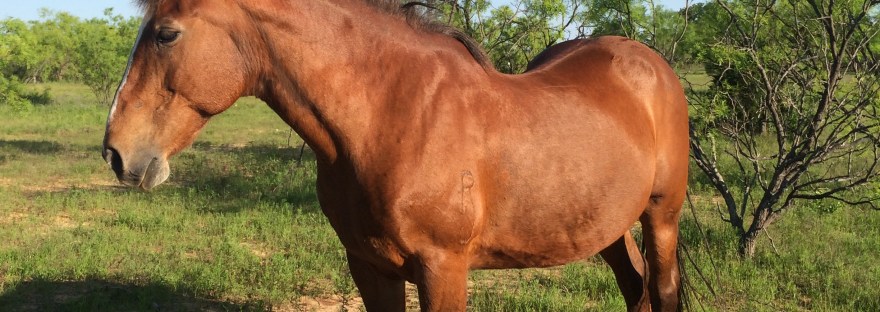
I’ve introduced many people to horses and horse training over the years, and all of them have had one thing in common: they start out being too nice.
People who know me are usually surprised to hear me say that, because I’m about as nice as a person can get. So why wouldn’t I want people to be nice to horses? Because that’s not what the horses want or need.
In a previous post, I talked about herd dynamics and how leader horses assert themselves by moving the feet of the lower-ranking horses.
You might think that the lower-ranking horses would resent the leaders for pushing them around. But the truth is just the opposite. Having strong, assertive leaders makes horses feel safe and secure.
When a human works with a horse, they form a herd of two. And even in a herd that small, there must be a leader. If the human doesn’t display leadership behavior, the horse will assume leadership himself, even if he’s normally a submissive horse. Because, in his mind, the safety of the herd depends on it.
So what does leadership behavior look like?
A good horseman approaches a horse confidently. He walks into the horse’s personal space calmly, but without hesitation. He puts the rope or halter on gently, but he doesn’t ask permission. When he moves, he doesn’t wonder if the horse will follow him—he just believes it will. He leads and expects to be followed. If the horse doesn’t comply, he applies some form of pressure until the horse moves. Just like a dominant horse would.
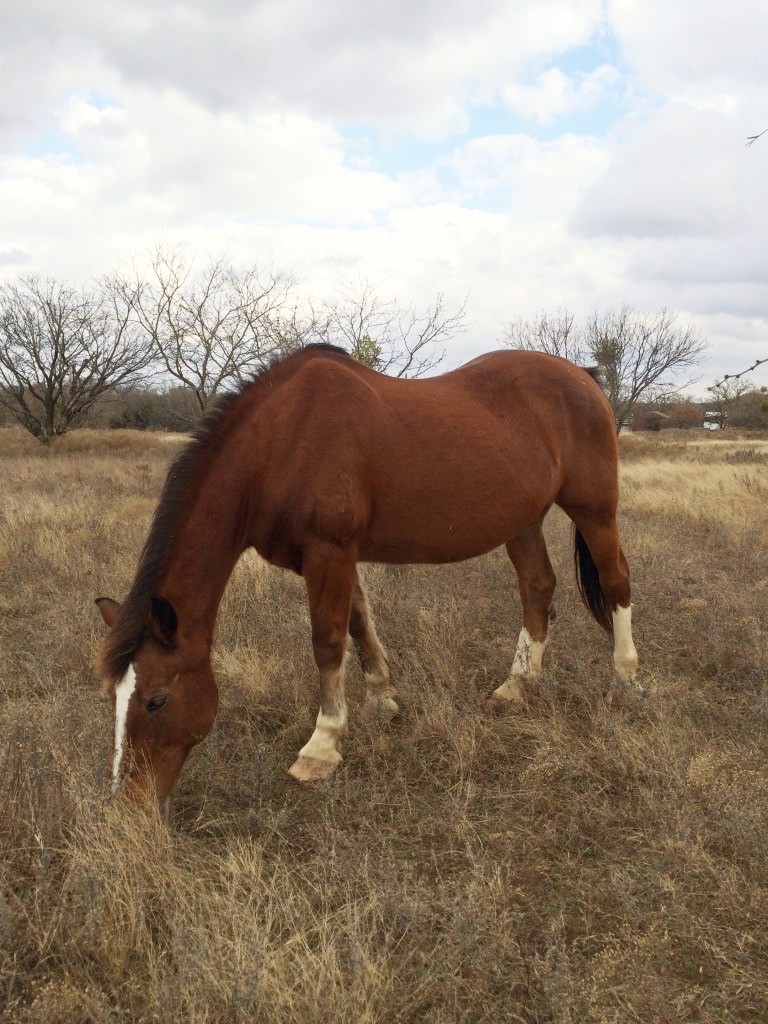
In contrast, how do most beginners approach a horse? Timidly. They hesitate in their approach, essentially asking the horse for permission to come into his space. If the horse gets too close, they move out of his way instead of making HIM move. And that’s all it takes for a horse to decide that this person isn’t a leader.
So it escalates from there. The horse starts getting pushier. He mugs the human for treats. He tries to pull away when the human is holding the rope. He swishes his tail when the human gets near. Maybe he even bites or kicks.
In a herd, the higher ranking horses would IMMEDIATELY squash such behavior, and so should the human. That might mean making the horse back up, running him in small circles, popping him with the end of a rope, or even slapping his mouth (in the case of biting).
Done in a reasonable manner, none of these things are the least bit abusive or harmful. But beginners balk at them. They don’t want to hurt the horse (pretty much impossible—horses are a lot tougher than most people think) or make him hate them (also not an issue because, as we’ve discussed, horses naturally understand fair and appropriate discipline). They want to be nice.
Nice owners have probably ruined more good horses than cruel ones have.
But just in case there’s any confusion, I want to emphasize that niceness does NOT equal kindness. Niceness does NOT equal compassion. Niceness does NOT equal patience.
Good owners are kind and compassionate and patient with their horses. They provide love and affection and comfort. But they also provide structure and boundaries and discipline.
And their horses love them for it.

 The Midlife Mule